
What Really Happens When You Quit Sulphate Shampoos
In recent years, sulphate-free shampoos have moved from niche shelves to mainstream bathroom cabinets. Yet many people still hesitate to part ways with their trusted, foamy cleansers. Sulphate shampoos have long been praised for their deep-cleaning ability, but they also come with drawbacks that can affect long-term hair and scalp health. Quitting sulphates is often described as a “hair detox,” and while the transition may test your patience, the long-term benefits can be worth the effort.
Understanding what truly happens when you stop using sulphate shampoos helps set realistic expectations and prevents unnecessary frustration during the adjustment period.
Understanding Sulphates and Their Role
Sulphates are cleansing agents, also known as surfactants, commonly used in shampoos to remove oil, dirt, and product buildup from the scalp and hair. The most widely used types include sodium lauryl sulphate and sodium laureth sulphate. Their effectiveness lies in their ability to bind oil and water, allowing impurities to be washed away easily.
This same strength, however, can become a weakness. Sulphates do not differentiate between excess oil and the natural oils that protect hair and scalp. Frequent use can strip away moisture, weaken the hair cuticle, and disrupt the scalp’s natural balance.
The Initial Transition Phase: What to Expect
When you first stop using sulphate shampoos, your hair may not feel better right away. In fact, many people experience a short-term phase that can feel discouraging. Hair may appear greasy, flat, or heavy, especially if the scalp has been overproducing oil to compensate for years of harsh cleansing.
This reaction is not a sign that sulphate-free shampoos are ineffective. Rather, it reflects the scalp recalibrating its oil production. Sulphates often trigger the scalp to produce more oil because natural oils are repeatedly stripped away. Once sulphates are removed, the scalp gradually learns that excessive oil production is no longer necessary.
This adjustment period can last anywhere from two to four weeks, depending on hair type, previous product use, and scalp condition.
Changes in Hair Texture and Feel
One of the most noticeable differences after quitting sulphates is a change in hair texture. Sulphate shampoos often leave hair feeling squeaky clean, a sensation many people mistake for true cleanliness. In reality, this feeling is caused by the removal of the hair’s protective lipid layer.
Sulphate-free shampoos cleanse more gently, so hair may feel softer, smoother, or even slightly coated at first. Over time, as product buildup reduces and the scalp balances itself, hair typically becomes more manageable, less frizzy, and better hydrated.
People with curly, wavy, or textured hair often notice the most dramatic improvement, as these hair types rely heavily on natural oils for definition and elasticity.
Impact on Scalp Health
The scalp is skin, and like facial skin, it thrives when its natural barrier remains intact. Sulphates can irritate sensitive scalps, leading to dryness, itching, redness, or flaking. By switching to gentler cleansers, many individuals experience relief from chronic scalp discomfort.
A healthier scalp environment also supports stronger hair growth. When follicles are not constantly stressed by harsh detergents, hair strands are less likely to become brittle or break prematurely. While sulphate-free shampoos are not a cure for hair loss, they can create conditions that support overall hair resilience.
ThemeCosine.com| SeizureCanine.com | Juction.com
OldJHCC.com| ProfessionalSearch.net
Reduced Color Fading and Chemical Damage
For those with color-treated or chemically processed hair, quitting sulphates can make a noticeable difference. Sulphates accelerate color fading by opening the hair cuticle and washing out pigment molecules. Sulphate-free shampoos help preserve color vibrancy by maintaining the cuticle’s integrity.
Similarly, chemically treated hair—such as hair that has been straightened, permed, or bleached—benefits from gentler cleansing. Reduced dryness and less structural stress can extend the lifespan of salon treatments and improve hair appearance between appointments.
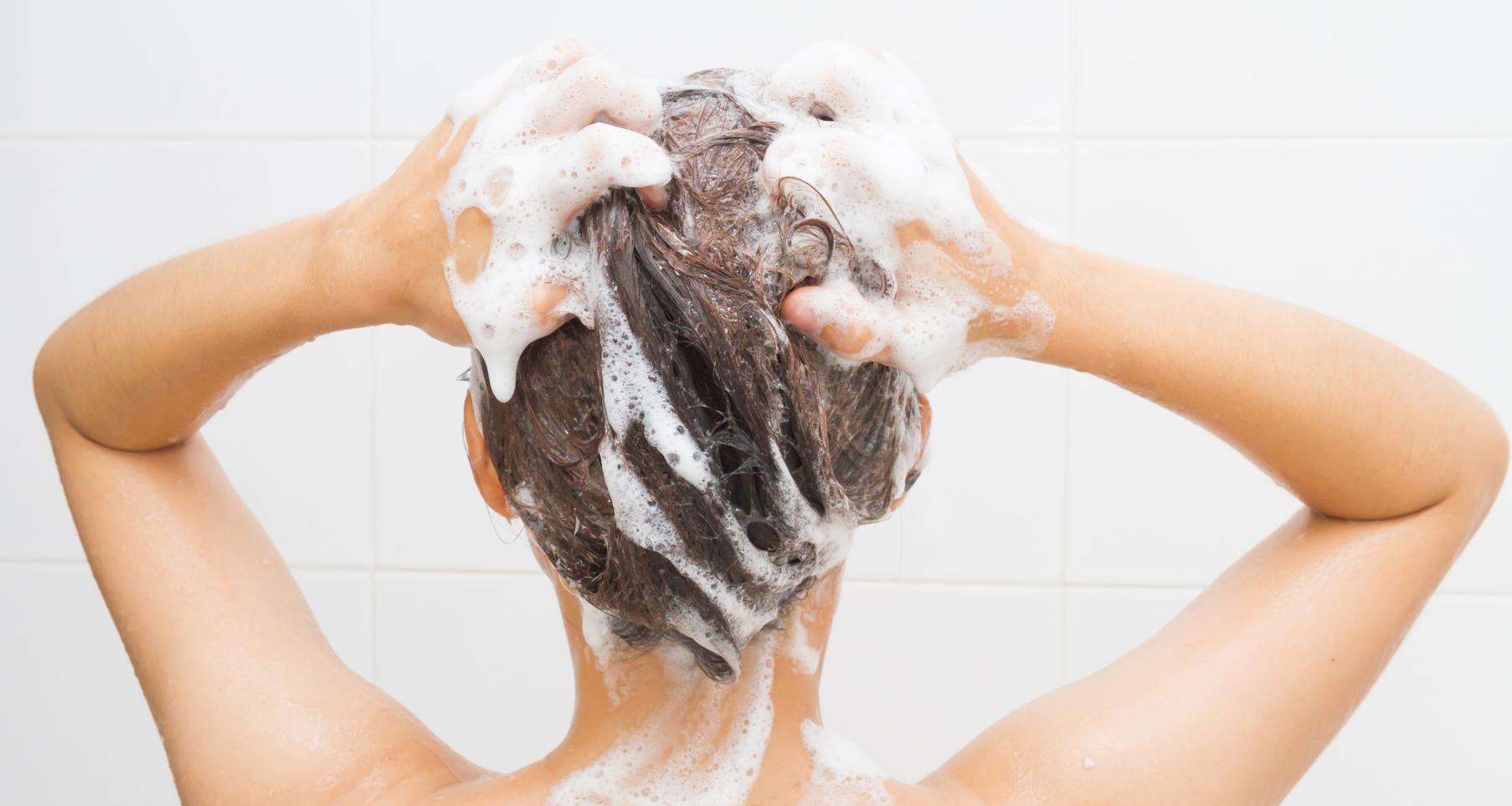
Changes in Hair Washing Habits
Another subtle shift that occurs after quitting sulphates is a change in washing frequency. Because sulphate shampoos strip oil aggressively, many people feel compelled to wash their hair frequently. Once the scalp balances oil production, hair often stays fresh for longer periods.
This reduced need for frequent washing further protects hair from mechanical stress caused by excessive cleansing, towel drying, and heat styling. Over time, this can lead to longer, stronger, and healthier-looking hair.
The Role of Lather and Perception
One common concern with sulphate-free shampoos is the lack of rich lather. Foam has long been associated with cleanliness, but lather is not a measure of effectiveness. Sulphate-free formulas clean through milder surfactants that produce less foam while still removing dirt and excess oil.
Adapting expectations is part of the transition. Once users understand that less lather does not mean less cleaning, satisfaction with sulphate-free products increases significantly.
Long-Term Benefits for Hair Health
With continued use, the benefits of avoiding sulphates become more apparent. Hair tends to retain moisture better, resulting in improved shine and elasticity. Breakage may reduce, particularly for those with dry, brittle, or damaged hair.
Over time, hair may also become easier to style. Improved hydration and smoother cuticles allow styling products to work more effectively, reducing the need for heavy formulations that can weigh hair down.
Who Benefits Most from Quitting Sulphates?
While sulphate-free shampoos can benefit most people, certain groups may notice greater improvements. Individuals with curly or coily hair, sensitive scalps, color-treated hair, or naturally dry hair often experience the most positive changes. That said, people with very oily scalps may need time to find the right balance and formula.
It is also important to note that sulphates are not inherently harmful to everyone. Some individuals with extremely oily scalps or heavy product use may still prefer occasional sulphate-based cleansing. The key lies in moderation and understanding individual hair needs.
Patience Is the Key to Success
The most important factor when quitting sulphate shampoos is patience. The transition period can feel uncomfortable, but it is temporary. Consistency allows the scalp and hair to adapt, leading to long-term improvements that outweigh the initial inconvenience.
Rather than viewing sulphate shampoos as harmful villains, it is more accurate to see them as powerful tools that are often overused. Stepping away from them gives hair a chance to restore its natural balance.
Conclusion
Quitting sulphate shampoos is not an overnight transformation but a gradual process of recovery and recalibration. The initial adjustment may challenge expectations, but the long-term rewards include healthier hair, improved scalp comfort, and better moisture retention. By understanding what truly happens during this transition, individuals can make informed choices and approach the change with confidence.
