
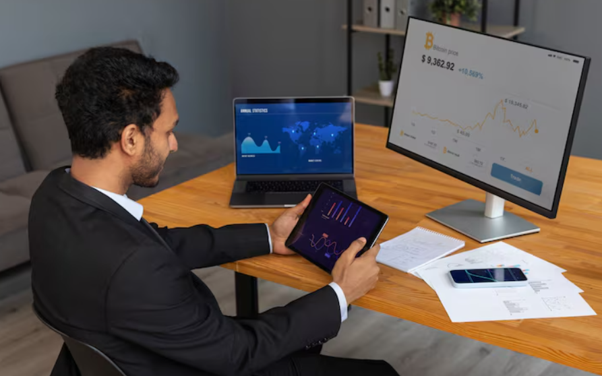
Getting direct practice in foreign exchange trading should feel smooth, accessible, and completely safe. Beginner retail traders often want to test trading software interfaces before depositing actual funds. Securing free forex demo account access on your smartphone takes only a few simple registration steps online. Simulated account balances allow new users to execute test orders, adjust chart views, and observe live market spreads freely. Exploring platform layout tools early builds essential muscle memory for real market execution later on. Simple setup paths keep attention focused on reading chart movements and developing disciplined capital management habits.
Choosing Certified Mobile Brokers
Selecting a licensed broker portal ensures your personal contact information stays protected from online security threats. Trustworthy trading platforms feature clean registration links prominently on main web pages for effortless user navigation. Registration forms ask for basic identity details like your full name and valid email address. Avoid brokers demanding financial payment details just to unlock basic practice software features on phones. Reliable financial services grant direct platform access immediately after basic email confirmation checks finish smoothly. Double checking official domain names safeguards online privacy before filling out personal registration fields.
Installing Modern Mobile Applications
Downloading official trading software gives active users total freedom to track currency markets from anywhere. Completing a mobile trading app download from official phone stores ensures file safety on personal devices. Modern mobile applications offer interactive charts, multi-timeframe analysis tools, and real-time streaming price quotes. Syncing user credentials across smartphones and desktop platforms keeps your saved preferences updated everywhere instantly. Quick installation procedures open mobile user dashboards where virtual paper trading accounts sit ready for use. Portable market access allows beginners to monitor open positions without sitting in front of desktop computers.
Configuring Paper Trading Balances
Customizing virtual starting funds creates realistic market conditions for effective technical practice routines every day. Modern software tools allow users to select practical virtual balance amounts matching future cash targets. Choosing smaller, realistic amounts like one thousand dollars mirrors real investment capabilities far better than huge default balances. Massive virtual account balances often encourage sloppy risk management habits that damage live trading results later. Adjusting margin parameters during initial setup reveals how leverage choices affect total open position sizes. Tailoring paper trading parameters helps build sound risk boundaries early in your learning process.
Executing Basic Practice Orders
Placing initial practice orders helps beginners master basic order buttons and protective execution parameters clearly. Market orders enter active trades instantly at current global exchange rates quoted on screen. Pending limit orders allow traders to set automated entries at specific target price levels desired later. Adding stop loss and take profit limits shields paper balances from unexpected sharp market movements. Practice sessions give users full freedom to test visual chart drawings, trendlines, and technical indicators without stress. Spending time testing software controls builds strong execution confidence for future live market setups.
Monitoring Live Market Spreads
Observing bid and ask price gaps shows how underlying transactional costs work across different currency pairs daily. Spreads widen during major economic news releases and quiet trading hours late at night. Major currency pairs like EUR/USD offer tight bid-ask spreads compared to exotic currency setups. Practicing with live streaming quote feeds helps users calculate potential trade entry and exit costs accurately. Watching spread fluctuations teaches beginners to avoid entering positions during volatile high-impact news spikes. Understanding how transaction spreads affect profit targets keeps technical strategies realistic and practical over time.
Keeping Detailed Performance Journals
Logging practice trades builds essential analytical habits that improve technical order execution over long testing periods. Writing down trade entry points, stop loss levels, and reasons for entering setups creates personal accountability. Reviewing winning and losing trades reveals bad habits like overtrading or cutting winning positions short prematurely. Comparing weekly performance curves helps traders refine risk management boundaries before opening live accounts. Consistent practice turns basic chart reading into structured, repeatable daily trading routines. Patient investors spend weeks analyzing practice journal entries before committing real cash capital to live markets.
Conclusion
Securing instant virtual account access on mobile devices provides the ideal setup for learning currency trading safely. Virtual practice platforms offer direct experience with charting tools, order controls, and risk limits without financial danger. Forming disciplined analysis habits during practice sessions builds lasting execution confidence for future live market participation. Exploring comprehensive software features on tradewill.com allows new investors to configure practice profiles, track execution performance, and develop solid trading habits with total peace of mind.