
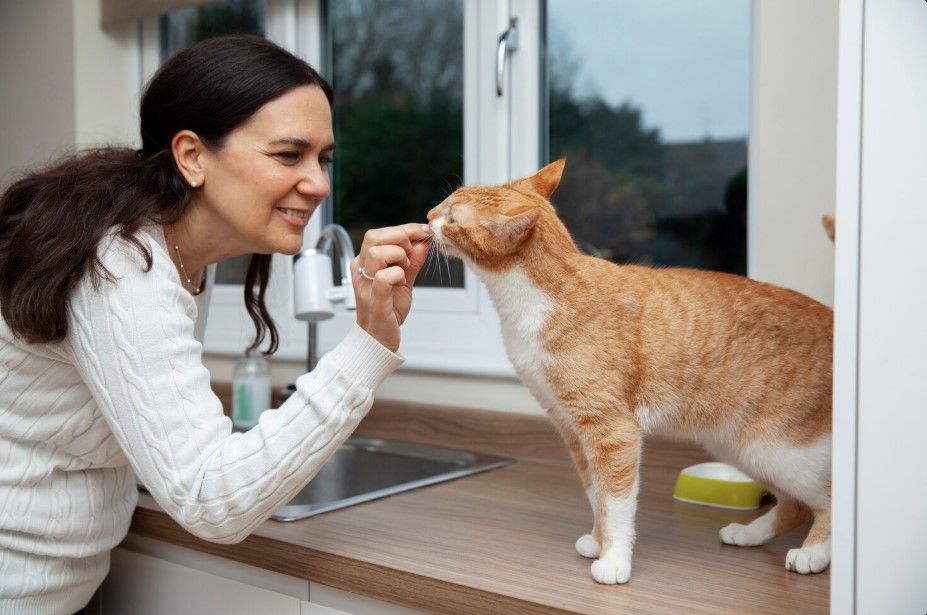
Choosing the right dry cat food is one of the most important decisions a cat parent can make. With hundreds of options lining pet store shelves and online marketplaces, many USA cat owners feel overwhelmed trying to balance nutrition, convenience, and budget.
Dry food remains a popular choice for American households because it’s easy to store, affordable, and supports daily feeding routines. But not all dry foods are created equal. This guide breaks down what truly matters when choosing kibble, common problems cat parents face, and how to find the best dry food for cats based on real needs—not marketing hype.
Why Dry Cat Food Is Still a Go-To for Many USA Cat Parents
Dry food continues to be a staple in many homes across the United States, especially for busy pet parents. Its long shelf life and ease of portioning make it ideal for multi-cat households, automatic feeders, and pet sitters.
Some of the key reasons cat owners prefer dry food include:
-
Easy storage without refrigeration
-
Cost-effective for long-term feeding
-
Convenient for free-feeding or scheduled meals
-
Supports dental crunching when paired with proper oral care
However, convenience should never come at the expense of nutrition. The quality of ingredients matters far more than the form of the food.
Common Problems Cat Owners Face With Dry Food
Many cat parents switch brands frequently because their cat experiences issues such as:
-
Dull coat or excessive shedding
-
Digestive upset or inconsistent stools
-
Weight gain or lack of energy
-
Food refusal or boredom
These problems are often linked to poor ingredient quality, excessive fillers, or low animal-protein content. Understanding labels and formulations helps avoid these frustrations.
What Makes a High-Quality Dry Cat Food?
1. Animal Protein Comes First
Cats are obligate carnivores. A good dry formula should list real meat, poultry, or fish as the first ingredient—not corn or by-products.
2. Balanced Fats for Skin and Energy
Healthy fats support shiny coats and steady energy levels. Look for named fat sources rather than generic “animal fat.”
3. Limited Fillers and Artificial Additives
Excess fillers may bulk up the food but provide little nutritional value. Artificial colors and flavors offer no benefit to your cat’s health.
4. Life-Stage Appropriate Nutrition
Kittens, adults, and senior cats all have different nutritional needs. Feeding age-appropriate formulas helps prevent long-term health issues.
Is Dry Food Enough for a Healthy Cat?
Dry food can absolutely be part of a healthy diet when chosen carefully and paired with proper hydration. Many vets recommend combining dry food with fresh water access or occasional wet meals to support urinary and kidney health.
For cats that prefer kibble, choosing nutrient-dense formulas and monitoring water intake is key to long-term wellness.
Understanding Dry Cat Food Brands Without the Confusion
When browsing dry cat food brands, it’s easy to get distracted by bold claims like “premium,” “natural,” or “holistic.” Instead of relying on packaging buzzwords, focus on:
-
Transparent ingredient lists
-
Clear nutritional guarantees
-
Brand consistency and recall history
-
Feedback from real pet parents
Reliable brands invest in research, quality control, and clear labeling—qualities that matter more than trendy marketing.
How to Choose the Best Dry Food for Cats in the USA
To narrow down the right choice for your cat, ask yourself:
-
Does my cat have specific needs (hairball control, weight management, sensitive stomach)?
-
Is the protein source something my cat enjoys and tolerates well?
-
Does the food fit my budget without sacrificing quality?
The best dry food for cats is one that your cat eats consistently, digests comfortably, and thrives on over time.
Feeding Tips for Better Results
-
Transition slowly when changing foods to avoid stomach upset
-
Measure portions to prevent overeating
-
Store kibble in an airtight container to preserve freshness
-
Observe changes in coat, litter box habits, and energy levels
Small adjustments can make a big difference in your cat’s overall health.
FAQs
1. Is dry cat food safe for daily feeding?
Yes, high-quality dry food can be fed daily when it meets nutritional standards and your cat has access to fresh water.
2. How do I know if my cat likes a new dry food?
Look for consistent eating habits, normal digestion, and positive changes in coat and energy within a few weeks.
3. Should indoor cats eat different dry food?
Indoor cats often benefit from formulas designed for lower activity levels and hairball control.
4. Can dry food cause dehydration?
Dry food itself doesn’t cause dehydration, but cats on kibble diets should always have easy access to clean water.
5. How often should I switch dry cat food brands?
Frequent switching isn’t necessary unless your cat shows signs of intolerance or changing nutritional needs.
Final Thoughts
Choosing the right dry cat food doesn’t have to be complicated. By focusing on ingredient quality, your cat’s individual needs, and informed decision-making, you can confidently select a food that supports long-term health and happiness.
Whether you’re comparing formulas, exploring trusted dry cat food brands, or searching for the best dry food for cats, informed choices always lead to healthier outcomes—for both cats and their owners.
