
1. Introduction
The ongoing investigation into the Red Fort blast case has brought several surprising names under the scanner, and among them is Dr Nisar ul Hassan. Once described as a “ticking time bomb” by the Jammu and Kashmir Lieutenant Governor for his alleged separatist leanings, Dr Hassan is now being examined for his alleged links to a “white-collar” Jaish-e-Mohammed module in Faridabad. The case has sent shockwaves across law enforcement and intelligence agencies, highlighting the growing complexity of modern terror networks and the infiltration of educated professionals into extremist circles.
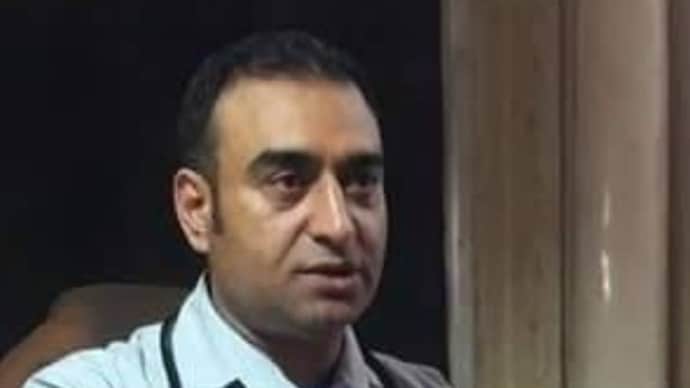
Dr Hassan, a former medical professional and a prominent figure in his community, has now become a focal point for investigators trying to unravel the web behind the Red Fort attack and other associated terror activities.
2. Background of Dr Nisar Hassan
Dr Nisar ul Hassan is a medical doctor by training and had been regarded in the past as a respected member of his community. However, political observers note that he had previously raised concerns due to his alleged separatist sympathies in Jammu and Kashmir. Authorities once referred to him as a “ticking time bomb,” a term reflecting both the potential threat and his influence within certain circles.
His medical career allowed him access to privileged environments and networks, which investigators now believe could have been exploited for recruitment and coordination purposes. Dr Hassan’s case underscores the emerging trend of highly educated professionals being drawn into extremist ideologies, challenging traditional assumptions about terrorism and the profiles of perpetrators.
TexasDealFinder.com | magesticbuckdesigns.org | fabetto.com
RockMyCommute.com | creativeyedesign.co.uk
3. Role in the Faridabad Terror Module
The Faridabad terror module came to light following the Red Fort blast and subsequent investigations. Authorities discovered a coordinated network that involved several professionals, including doctors and academics, allegedly working to support Jaish-e-Mohammed operations in India.
Dr Hassan’s role is now under scrutiny due to evidence suggesting he may have had knowledge of, or direct involvement in, the planning or facilitation of activities linked to the module. While details remain classified, sources indicate that Dr Hassan’s professional position may have provided him with the ability to support logistics, communications, or recruitment without raising immediate suspicion.
Investigators are also studying his connections with other arrested doctors, including Mohammad Umar and Adeel Ahmad Rather, who have already been linked to terror planning and the Red Fort attack. These connections form a crucial aspect of understanding the structure and operational methods of the module.
4. Education and Professional Background
Dr Hassan’s background is unusual for someone under investigation for terrorism. He held significant qualifications in medicine and worked at reputed institutions, earning a level of trust in his professional and social circles. This profile aligns with the broader concern of “white-collar” terror operatives—educated individuals whose societal respect can mask extremist activities.
Investigators are looking at how his education and career may have facilitated operational tasks, including access to secure environments, communication channels, and financial avenues. The case raises difficult questions about the vulnerabilities in recruitment networks and how extremist groups leverage professional expertise.
5. Alleged Links to Jaish-e-Mohammed
Jaish-e-Mohammed (JeM) has long been active in South Asia, with its primary aim being the destabilization of Indian security interests. The group has shifted over time from overt attacks to subtler forms of infiltration, including ideological propagation and recruitment among educated professionals.
Dr Hassan is alleged to have connections with JeM’s Indian wing, particularly the segment focused on “white-collar” operatives. These individuals are described as instrumental in planning attacks, managing communications, and raising funds while avoiding direct detection by authorities.
While investigators have not disclosed the full extent of Dr Hassan’s involvement, they emphasize that his potential knowledge of operational planning makes him a critical subject in preventing future incidents.
6. Impact on Investigations
Dr Hassan’s inclusion in the probe has added a new layer of complexity to the Red Fort investigation. Authorities are now piecing together communications, financial transactions, and professional associations to understand the full scope of the terror module.
His case also illustrates the evolving threat landscape in India, where educated professionals may be used to orchestrate operations from within legitimate sectors. By examining his role, agencies aim to uncover recruitment patterns, operational methods, and potential links to other terror networks both within and outside the country.
7. Government and Security Response
The Indian government has increased vigilance following revelations about Dr Hassan and the Faridabad module. Security forces are conducting raids, collecting digital and physical evidence, and coordinating intelligence across states to prevent further escalation.
Law enforcement agencies have highlighted the need for monitoring non-traditional profiles of extremists, noting that professional status should not automatically preclude suspicion when credible evidence emerges. The focus remains on safeguarding citizens while ensuring due process for those under investigation.
8. Public Reaction and Media Coverage
News of Dr Hassan’s involvement has generated considerable public and media attention. Headlines emphasize the unsettling notion that a trained professional and community figure may be implicated in terror-related activities. The story has sparked debates about radicalization, the influence of extremist ideologies in educated circles, and the need for early intervention programs.
Experts suggest that community engagement, awareness, and intelligence-led interventions are critical in preventing radicalization among highly educated individuals who may otherwise blend seamlessly into society.
9. Broader Implications
The Dr Nisar Hassan case has several broader implications for India’s counterterrorism strategy:
-
White-Collar Terrorism: Highlights the growing role of professionals in facilitating attacks.
-
Recruitment Dynamics: Reveals how extremist groups target educated and influential individuals.
-
Policy Response: May lead to stricter vetting and monitoring protocols in sensitive sectors.
-
Public Awareness: Raises discussions on ideological infiltration and preventive community measures.
It also underscores the importance of intelligence sharing between central and state agencies, as well as the integration of professional networks into security frameworks to prevent exploitation by terrorist organizations.
10. Conclusion
Dr Nisar ul Hassan’s case serves as a stark reminder of how terror networks are evolving. From being labeled a “ticking time bomb” to being investigated for involvement in the Faridabad Jaish module, his trajectory reflects the intersection of professional life and extremist ideology.
As investigations proceed, authorities aim to clarify his precise role, prevent further attacks, and dismantle any remaining networks connected to the Red Fort incident. For citizens and policymakers alike, the case highlights the need for vigilance, informed intelligence, and comprehensive strategies to counter modern terrorism.
While Dr Hassan’s professional background initially shielded him from suspicion, the ongoing probe demonstrates that no profile is immune from scrutiny when evidence indicates potential threat.
The story also reinforces the broader understanding that extremism can penetrate all strata of society, making awareness, community engagement, and proactive intelligence critical in national security efforts.