
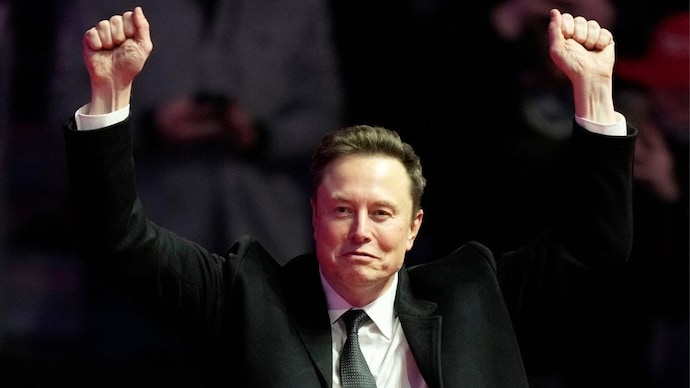
Elon Musk has regained the title of the world’s richest person, after briefly losing it to Oracle co-founder Larry Ellison. This latest change in the global wealth rankings highlights the dynamic nature of billionaire fortunes, which can shift dramatically with stock market movements, corporate earnings, and major business deals.
The Brief Rise of Larry Ellison
Larry Ellison, co-founder and longtime executive of Oracle Corporation, briefly took the number one spot on the Bloomberg Billionaires Index following a remarkable surge in Oracle’s stock. After Oracle reported strong quarterly earnings and issued a bullish forecast tied to artificial intelligence (AI) infrastructure services, Ellison’s net worth jumped sharply.
According to Bloomberg, Ellison’s fortune increased by $89 billion, reaching $383.2 billion, with a peak intraday gain of $101 billion – the largest single-day increase ever recorded on the index. Oracle’s shares climbed as much as 43% in intraday trading and closed 36% higher, marking the company’s biggest one-day gain since 1992.
This surge was fueled in part by a long-term deal with OpenAI, the AI research company, which plans to purchase $300 billion in computing power from Oracle over roughly five years, starting in 2027. OpenAI is a key player in artificial intelligence and is expected to generate $12.7 billion in revenue in 2025, further increasing investor confidence in Oracle’s growth potential.
The strong earnings report and AI-related optimism pushed Oracle’s market capitalization to around $922 billion, making it the 10th largest company in the S&P 500 index, ahead of major firms like Walmart, Eli Lilly, and JPMorgan Chase. Since Ellison is the largest individual shareholder of Oracle, the company’s stock surge directly boosted his personal wealth, allowing him to briefly surpass Elon Musk.
licomplores.net | Lifeshayariread.com | Thestylemyhair.com
Loveshayaripath.com | Cricketteamscorecard.com
Elon Musk’s Return to the Top
Despite Ellison’s temporary lead, Elon Musk quickly reclaimed the top position by the close of market trading on Wednesday, with a net worth of $384.2 billion, just $1 billion ahead of Ellison. Musk’s wealth is primarily tied to his stakes in Tesla, SpaceX, and other ventures.
Musk has largely dominated the global wealth chart since first claiming the number one spot in 2021. However, he has faced brief periods of being overtaken:
-
In 2021, by LVMH’s Bernard Arnault.
-
In 2024, by Amazon founder Jeff Bezos.
Even with these occasional shifts, Musk has maintained a remarkably stable position near the top for over 300 days, demonstrating the resilience of his assets despite market volatility.
Why the Wealth Race Is So Dynamic
The competition for the world’s richest title is heavily influenced by stock market performance and corporate developments. Billionaires whose wealth is tied to publicly traded companies can see their fortunes fluctuate by tens of billions of dollars in a single day.
For example:
-
Oracle’s AI growth expectations led to a massive surge in Ellison’s wealth.
-
Tesla’s stock performance and investor confidence in SpaceX have helped Musk maintain his position.
Major partnerships, acquisitions, and new technologies also play a significant role. The deal between Oracle and OpenAI is a perfect example: it not only reflects the growing importance of AI in global business but also directly influences the net worth of major shareholders.
The Role of Artificial Intelligence
AI has emerged as a key driver in this wealth race. Companies involved in AI infrastructure, cloud computing, and technology innovation have seen sharp increases in market value. Oracle’s stock surge following AI-related announcements shows how technology and future-focused strategies can rapidly change billionaire rankings.
Elon Musk himself has invested in AI initiatives, including ventures like Neuralink, and has been a vocal supporter of AI development through his involvement with companies like OpenAI (in its early days). As AI continues to reshape industries, billionaires linked to these technologies could see their net worth rise even further.
Lessons from the Wealth Race
The shifting fortunes of Elon Musk and Larry Ellison offer several insights:
-
Stock Performance Matters
Billionaires tied to public companies experience rapid wealth changes based on stock price movements. A single earnings report can create massive shifts in rankings. -
Long-Term Vision Pays Off
Investments in innovative fields like AI, renewable energy, and space exploration are crucial for sustained wealth growth. Musk’s focus on Tesla and SpaceX exemplifies this approach. -
Strategic Partnerships Are Powerful
Deals like Oracle’s contract with OpenAI can have a long-term impact on a company’s valuation and a shareholder’s wealth. -
Global Influence of Billionaires
Being the world’s richest person is not just a title; it reflects influence over industries, emerging technologies, and even global economic trends.
Comparing Musk and Ellison
Both Elon Musk and Larry Ellison have unique paths to wealth:
-
Elon Musk:
-
Key companies: Tesla, SpaceX, Neuralink, The Boring Company
-
Industries: Electric vehicles, space exploration, AI, transportation
-
Wealth driver: Stock value of Tesla and investor confidence in his ventures
-
-
Larry Ellison:
-
Key company: Oracle Corporation
-
Industries: Enterprise software, cloud computing, AI infrastructure
-
Wealth driver: Oracle stock performance and long-term contracts, such as the OpenAI deal
-
While Musk’s fortune is tied to futuristic ventures like space and renewable energy, Ellison’s is closely linked to enterprise technology and AI infrastructure, showing how different sectors can create billionaire wealth.
What This Means for the Global Economy
The back-and-forth between Musk and Ellison highlights the influence of technology, innovation, and investment trends on the global economy. Companies leading in AI, electric vehicles, and cloud computing are reshaping markets and creating enormous wealth for founders and investors alike.
It also shows the volatility of wealth among the richest individuals. Even minor shifts in market sentiment, company earnings, or large-scale contracts can temporarily change the rankings of the world’s top billionaires.
For investors and policymakers, this underscores the importance of monitoring technology-driven sectors and understanding how innovation impacts markets and global economic dynamics.
Conclusion
Elon Musk reclaiming the number one spot from Larry Ellison is more than a headline; it is a reflection of how technology, innovation, and strategic business moves shape the fortunes of the world’s wealthiest people.
Larry Ellison’s brief rise to the top underscores the power of AI and corporate strategy in influencing billionaire rankings, while Musk’s ability to regain the lead demonstrates the resilience of his ventures and the long-term value of visionary investments.
As AI, renewable energy, and space exploration continue to grow, the world’s richest race is likely to remain dynamic, with fortunes changing rapidly based on innovation, market trends, and investor confidence.
The competition between Musk, Ellison, and other top billionaires illustrates the intersection of technology, wealth, and global influence — showing how the leaders of today are shaping industries and the economy of tomorrow.